Content Menu
● Introduction
● Understanding Reciprocators
>> What are Reciprocators?
>> Types of Reciprocators
>> Applications of Reciprocators
● The Role of Smart Control Systems
>> What are Smart Control Systems?
>> Key Features of Smart Control Systems
● How Reciprocators and Smart Control Systems Work Together
>> Enhanced Precision and Efficiency
>> Improved Output Quality
>> Automation and Labor Savings
>> Flexibility and Adaptability
● Case Studies: Successful Implementations
>> Automotive Industry
>> Food Processing
● Challenges and Considerations
>> Initial Investment
>> Training and Adaptation
>> Maintenance and Upkeep
● Future Trends in Reciprocators and Smart Control Systems
>> Increased Automation
>> Enhanced Connectivity
>> Sustainability Focus
● Conclusion
● Frequently Asked Questions
>> 1. What are the main types of reciprocators?
>> 2. How do smart control systems enhance production efficiency?
>> 3. What industries benefit most from reciprocators and smart control systems?
>> 4. What challenges do companies face when implementing these systems?
>> 5. What future trends can we expect in this field?
Introduction
In the realm of industrial automation, the integration of reciprocators with smart control systems has revolutionized production processes. Reciprocators, devices that facilitate back-and-forth motion, are essential in various applications, including painting, welding, and assembly. When paired with smart control systems, these machines can achieve unprecedented levels of efficiency and output. This article delves into the mechanics of reciprocators, the role of smart control systems, and how their synergy maximizes operational output.
Understanding Reciprocators
What are Reciprocators?
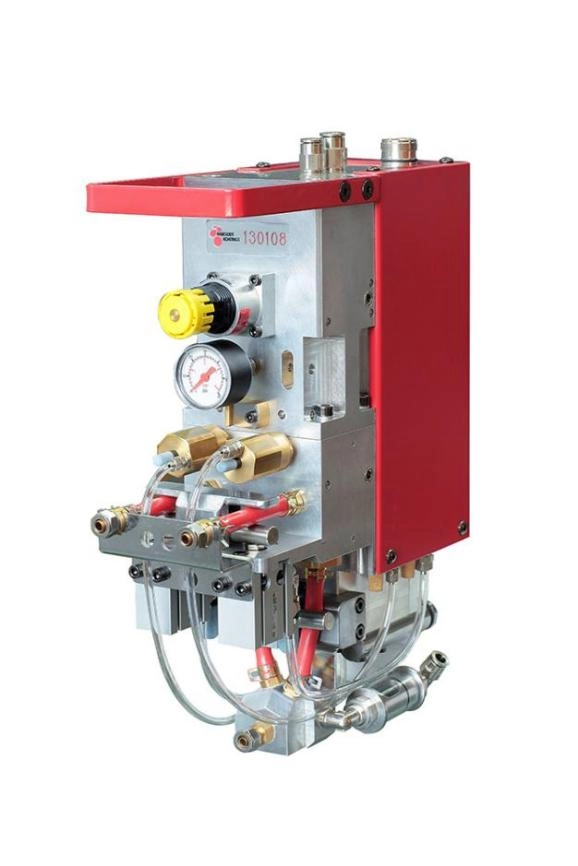
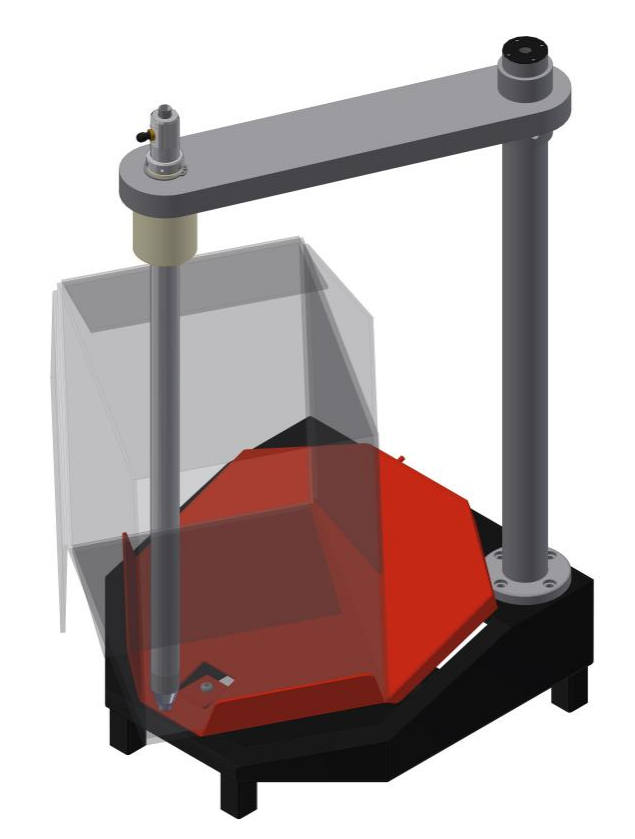
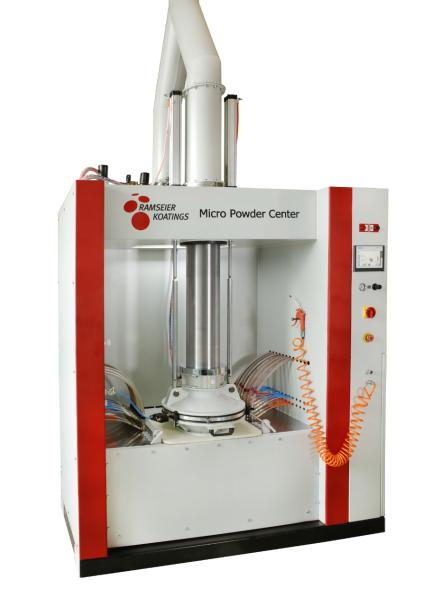
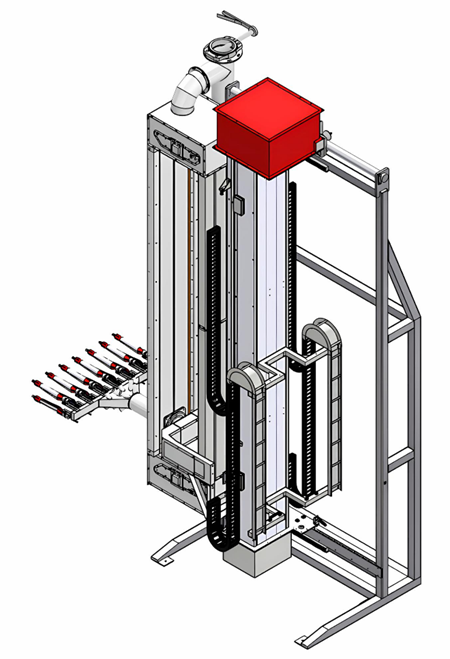
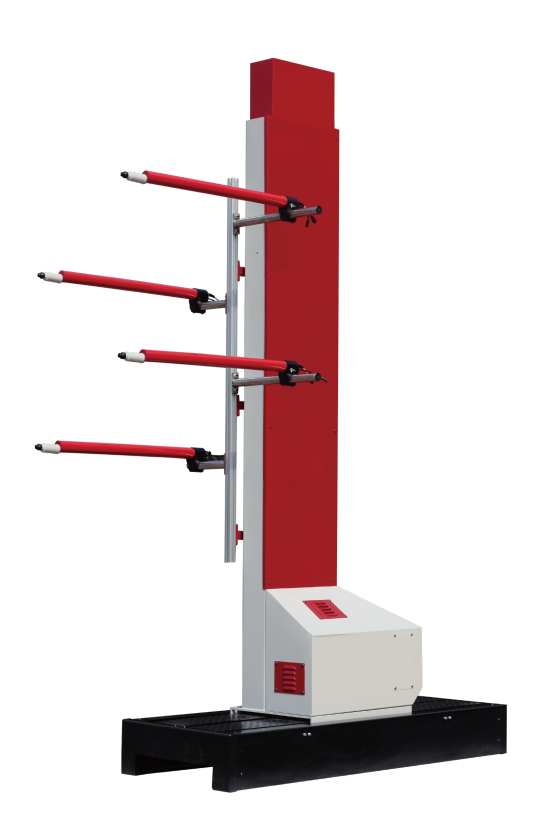
Reciprocators are mechanical devices designed to convert rotary motion into linear motion. They are commonly used in applications that require repetitive tasks, such as spray painting, where consistent and precise movement is crucial. Reciprocators can be powered by various means, including pneumatic, hydraulic, or electric systems, each offering unique advantages depending on the application.
Types of Reciprocators
1. Pneumatic Reciprocators: These use compressed air to create motion. They are known for their speed and simplicity, making them ideal for high-speed applications.
2. Hydraulic Reciprocators: Utilizing hydraulic fluid, these systems provide powerful motion and are suitable for heavy-duty applications where high force is required.
3. Electric Reciprocators: Driven by electric motors, these offer precise control over speed and position, making them ideal for applications requiring programmable motion profiles.
4. Mechanical Reciprocators: These rely on mechanical linkages and are often used in simpler applications where cost-effectiveness is a priority.
Applications of Reciprocators
Reciprocators are widely used in various industries, including:
- Automotive: For painting and coating parts.
- Manufacturing: In assembly lines for repetitive tasks.
- Aerospace: For precision applications requiring high accuracy.
- Food Processing: In packaging and handling systems.
The Role of Smart Control Systems
What are Smart Control Systems?
Smart control systems are advanced technologies that automate and optimize processes through the integration of sensors, data analytics, and machine learning. These systems enable real-time monitoring and adjustments, enhancing the efficiency and effectiveness of industrial operations.
Key Features of Smart Control Systems
1. Real-Time Monitoring: Continuous tracking of machine performance and output allows for immediate adjustments to maintain optimal operation.
2. Data Analytics: Analyzing data collected from operations helps identify trends, inefficiencies, and areas for improvement.
3. Predictive Maintenance: By monitoring equipment health, smart control systems can predict failures before they occur, reducing downtime and maintenance costs.
4. Integration with IoT: Smart control systems can connect with other devices and systems, facilitating better data sharing and operational synergy.
How Reciprocators and Smart Control Systems Work Together
Enhanced Precision and Efficiency
The combination of reciprocators and smart control systems leads to enhanced precision in operations. Smart control systems can adjust the speed and position of reciprocators in real-time, ensuring that tasks are performed with high accuracy. For instance, in a painting application, the system can modify the reciprocator's speed based on the surface area being coated, optimizing paint usage and reducing waste.
Improved Output Quality
With smart control systems, the quality of output is significantly improved. These systems can monitor the coating thickness and ensure uniform application across all parts. This consistency minimizes defects and rework, leading to higher customer satisfaction and lower operational costs.
Automation and Labor Savings
Integrating reciprocators with smart control systems automates many manual processes, reducing the need for human intervention. This not only saves labor costs but also minimizes the risk of human error, further enhancing the quality of the output.
Flexibility and Adaptability
Smart control systems provide the flexibility to adapt to changing production needs. For example, if a new product requires different coating specifications, the system can quickly reprogram the reciprocator's movements and parameters without significant downtime.
Case Studies: Successful Implementations
Automotive Industry
In the automotive sector, a leading manufacturer implemented a smart control system integrated with reciprocators for their painting line. The result was a 30% increase in throughput and a significant reduction in paint waste. The system's ability to adjust the reciprocator's speed based on real-time data allowed for more efficient use of materials and improved finish quality.
Food Processing
A food processing plant adopted reciprocators with smart control systems for packaging. The integration allowed for precise control over the packaging process, resulting in a 25% reduction in packaging errors and a notable increase in production speed. The predictive maintenance feature also helped avoid costly downtimes.
Challenges and Considerations
Initial Investment
While the benefits of integrating reciprocators with smart control systems are substantial, the initial investment can be significant. Companies must weigh the long-term savings and efficiency gains against the upfront costs.
Training and Adaptation
Employees may require training to effectively operate and maintain these advanced systems. Ensuring that staff are well-versed in the technology is crucial for maximizing the benefits of the integration.
Maintenance and Upkeep
Regular maintenance of both reciprocators and smart control systems is essential to ensure optimal performance. Companies must establish a maintenance schedule to prevent unexpected failures and downtime.
Future Trends in Reciprocators and Smart Control Systems
Increased Automation
As industries continue to embrace automation, the demand for advanced reciprocators integrated with smart control systems will grow. Future developments may include more sophisticated AI algorithms that enhance decision-making processes in real-time.
Enhanced Connectivity
The rise of Industry 4.0 will lead to even greater connectivity between machines and systems. Reciprocators will increasingly be part of interconnected networks, allowing for seamless data exchange and operational efficiency.
Sustainability Focus
With growing environmental concerns, future reciprocators and control systems will likely focus on sustainability. This includes reducing energy consumption and minimizing waste, aligning with global sustainability goals.
Conclusion
The integration of reciprocators with smart control systems represents a significant advancement in industrial automation. By enhancing precision, improving output quality, and increasing efficiency, this synergy is transforming production processes across various industries. As technology continues to evolve, the potential for further improvements in productivity and sustainability will only increase.
Frequently Asked Questions
1. What are the main types of reciprocators?
The main types of reciprocators include pneumatic, hydraulic, electric, and mechanical reciprocators, each suited for different applications based on their power source and operational requirements.
2. How do smart control systems enhance production efficiency?
Smart control systems enhance production efficiency by providing real-time monitoring, predictive maintenance, and data analytics, allowing for immediate adjustments and optimization of processes.
3. What industries benefit most from reciprocators and smart control systems?
Industries such as automotive, manufacturing, aerospace, and food processing benefit significantly from the integration of reciprocators and smart control systems due to their need for precision and efficiency.
4. What challenges do companies face when implementing these systems?
Challenges include the initial investment costs, the need for employee training, and the requirement for regular maintenance to ensure optimal performance.
5. What future trends can we expect in this field?
Future trends include increased automation, enhanced connectivity through Industry 4.0, and a focus on sustainability to reduce energy consumption and waste.
Hot Tags: China, Global, OEM, private label, manufacturers, factory, suppliers, manufacturing company





 CALL US ANY TIME









 Tel: +852 2363 2511
 Fax: +852 2764 0105
 E-mail:

 .
. 