Content Menu
● The Origins of Powder Coating
>> Early Techniques
>> The Need for Improvement
● The Rise of Automation
>> Introduction of Automated Systems
>> Benefits of Automation
● The Digital Revolution
>> Integration of Digital Technologies
>> Data-Driven Decision Making
● The Smart Era
>> Introduction of Smart Control Systems
>> Benefits of Smart Systems
● Current Trends in Powder Coating Control Systems
>> Sustainability and Eco-Friendly Practices
>> Customization and Flexibility
● Future Prospects
>> Advancements in Artificial Intelligence
>> Enhanced User Interfaces
● Conclusion
● Frequently Asked Questions
>> Q1: What is powder coating?
>> Q2: How has automation improved powder coating?
>> Q3: What role does data play in modern powder coating systems?
>> Q4: What are the benefits of smart powder coating systems?
>> Q5: What future advancements can we expect in powder coating technology?
The powder coating industry has undergone significant transformations over the years, evolving from manual processes to sophisticated smart systems. This evolution has been driven by advancements in technology, the need for efficiency, and the demand for higher quality finishes. In this article, we will explore the journey of powder coating control systems, examining the key developments, current trends, and future prospects.
The Origins of Powder Coating
Early Techniques
Powder coating was first developed in the 1950s as a method to provide a durable finish to metal surfaces. The initial processes were manual, relying heavily on human labor for application and curing. Operators would use spray guns to apply the powder, which was then cured in an oven. This method, while effective, had several limitations, including inconsistent application thickness and a high rate of overspray.
The Need for Improvement
As industries grew and the demand for high-quality finishes increased, manufacturers began to seek ways to improve the powder coating process. The limitations of manual systems became apparent, leading to the development of more automated solutions. The goal was to enhance efficiency, reduce waste, and ensure a consistent finish.
The Rise of Automation
Introduction of Automated Systems
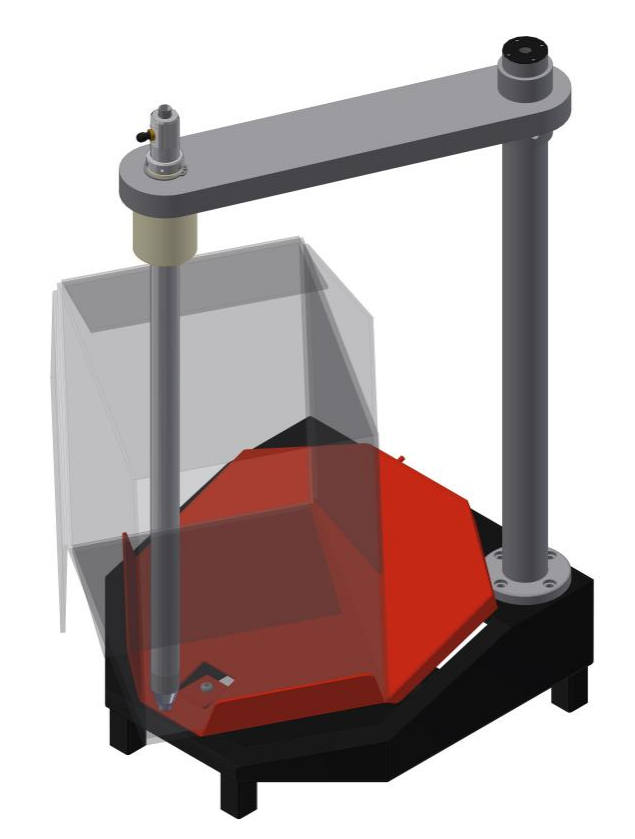
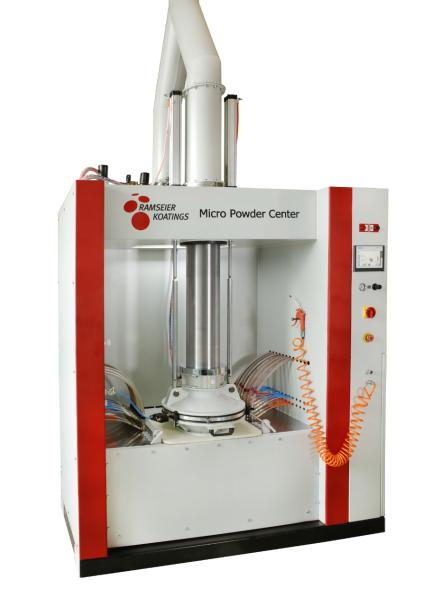
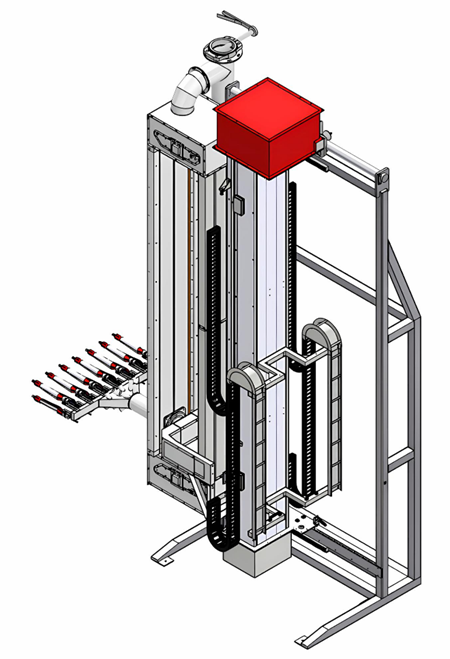
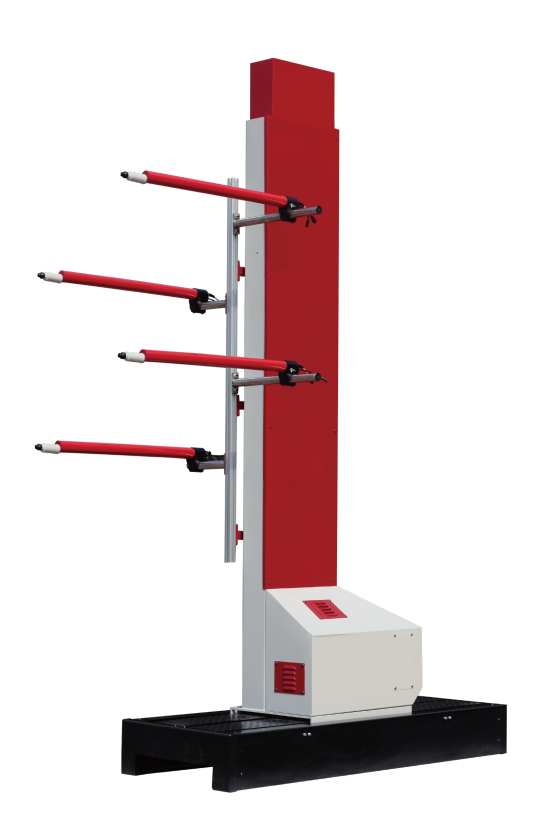
In the 1980s, the introduction of automated powder coating systems marked a significant turning point. These systems utilized conveyor belts and robotic arms to apply powder coatings, drastically reducing the need for manual labor. Automation not only improved efficiency but also allowed for more precise application, resulting in a more uniform finish.
Benefits of Automation
The benefits of automated powder coating systems were numerous. They reduced labor costs, minimized human error, and increased production rates. Additionally, automated systems could be programmed to apply different colors and finishes, allowing for greater flexibility in production. This shift towards automation laid the groundwork for the next phase of evolution in powder coating control systems.
The Digital Revolution
Integration of Digital Technologies
The late 1990s and early 2000s saw the integration of digital technologies into powder coating systems. This included the use of computer numerical control (CNC) systems, which allowed for precise control over the application process. Operators could now input specific parameters, such as powder flow rate and application speed, leading to even greater consistency and quality.
Data-Driven Decision Making
With the advent of digital technologies, the powder coating industry began to embrace data-driven decision-making. Sensors and monitoring systems were introduced to collect data on various aspects of the coating process, such as temperature, humidity, and powder usage. This data could then be analyzed to optimize processes and improve overall efficiency.
The Smart Era
Introduction of Smart Control Systems
The most recent evolution in powder coating control systems is the emergence of smart technologies. Smart control systems leverage the Internet of Things (IoT) to connect various components of the powder coating process. This connectivity allows for real-time monitoring and control, enabling operators to make adjustments on the fly.
Benefits of Smart Systems
Smart powder coating systems offer numerous advantages over their predecessors. They provide enhanced visibility into the coating process, allowing for immediate identification of issues. Predictive maintenance capabilities can also be integrated, reducing downtime and maintenance costs. Furthermore, smart systems can optimize energy usage, contributing to more sustainable operations.
Current Trends in Powder Coating Control Systems
Sustainability and Eco-Friendly Practices
As environmental concerns continue to grow, the powder coating industry is increasingly focusing on sustainability. Smart control systems can help reduce waste and energy consumption, aligning with eco-friendly practices. For instance, systems can be programmed to minimize overspray and optimize curing times, leading to lower emissions and reduced material usage.
Customization and Flexibility
Another trend in powder coating control systems is the demand for customization. Manufacturers are looking for systems that can easily switch between different colors and finishes without significant downtime. Smart systems can facilitate this by allowing operators to quickly adjust settings and parameters, making it easier to meet customer demands.
Future Prospects
Advancements in Artificial Intelligence
Looking ahead, the integration of artificial intelligence (AI) into powder coating control systems is poised to revolutionize the industry. AI algorithms can analyze data from the coating process to identify patterns and make recommendations for optimization. This could lead to even greater efficiency and quality in powder coating applications.
Enhanced User Interfaces
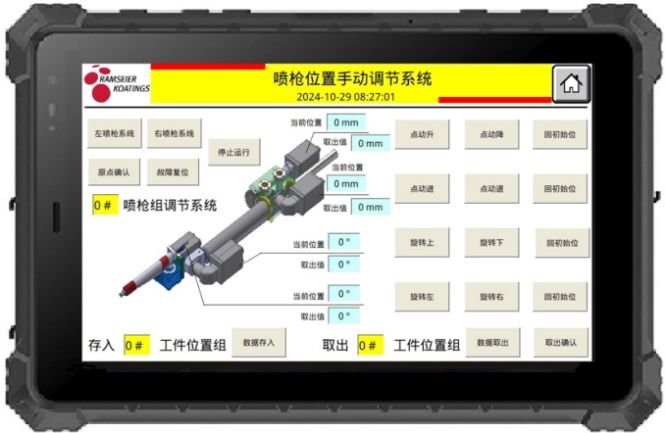
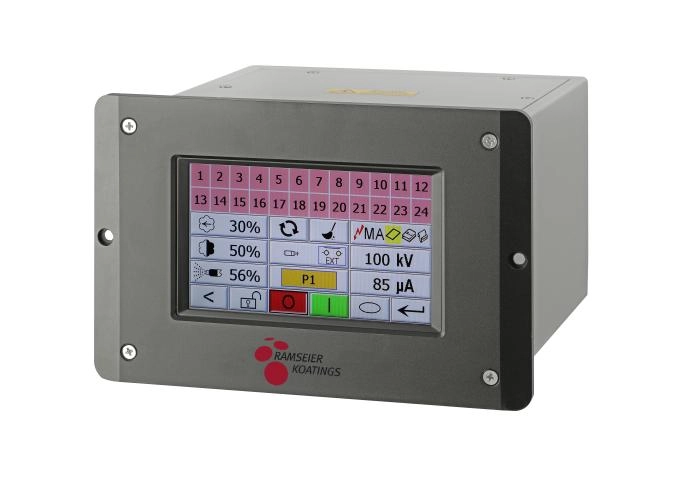
Future powder coating systems are also expected to feature enhanced user interfaces, making it easier for operators to interact with the system. Touchscreen controls, mobile applications, and remote monitoring capabilities will likely become standard, allowing for greater flexibility and control.
Conclusion
The evolution of powder coating control systems from manual to smart technologies has transformed the industry. As manufacturers continue to seek efficiency, quality, and sustainability, the future of powder coating looks promising. With advancements in automation, digital technologies, and smart systems, the powder coating process is set to become even more efficient and effective.
Frequently Asked Questions
Q1: What is powder coating?
A1: Powder coating is a finishing process that applies a dry powder to a surface, which is then cured under heat to form a durable finish. It is commonly used on metal surfaces for its resistance to chipping, scratching, and fading.
Q2: How has automation improved powder coating?
A2: Automation has improved powder coating by reducing labor costs, minimizing human error, and increasing production rates. Automated systems allow for precise application and consistent finishes.
Q3: What role does data play in modern powder coating systems?
A3: Data plays a crucial role in modern powder coating systems by enabling real-time monitoring and optimization of the coating process. Sensors collect data on various parameters, which can be analyzed to improve efficiency and quality.
Q4: What are the benefits of smart powder coating systems?
A4: Smart powder coating systems offer enhanced visibility, predictive maintenance, optimized energy usage, and real-time monitoring, leading to improved efficiency and reduced downtime.
Q5: What future advancements can we expect in powder coating technology?
A5: Future advancements in powder coating technology may include the integration of artificial intelligence for process optimization, enhanced user interfaces for easier operation, and further developments in sustainability practices.
Hot Tags: China, Global, OEM, private label, manufacturers, factory, suppliers, manufacturing company





 CALL US ANY TIME









 Tel: +852 2363 2511
 Fax: +852 2764 0105
 E-mail:

 .
. 