Content Menu
● Understanding Smart Control Systems
>> What is a Smart Control System?
>> Importance of Smart Control Systems in Finishing
● Essential Features of Smart Control Systems
>> 1. Real-Time Monitoring and Control
>> 2. Data Analytics and Reporting
>> 3. User-Friendly Interface
>> 4. Integration with Existing Systems
>> 5. Automation Capabilities
>> 6. Scalability
>> 7. Security Features
>> 8. Support and Training
● Evaluating Smart Control Systems
>> Assessing Your Needs
>> Comparing Different Systems
>> Making the Final Decision
● Implementing a Smart Control System
>> Planning the Implementation
>> Training Staff
>> Monitoring Performance
● Future Trends in Smart Control Systems
>> Advancements in Technology
>> Increased Connectivity
>> Sustainability Considerations
● Conclusion
>> Frequently Asked Questions
In the world of professional finishing, the choice of a smart control system can significantly impact productivity, quality, and overall operational efficiency. As technology continues to evolve, finishers must stay informed about the latest advancements and features that can enhance their processes. This article explores the essential features of smart control systems, helping finishers make informed decisions that lead to superior results.
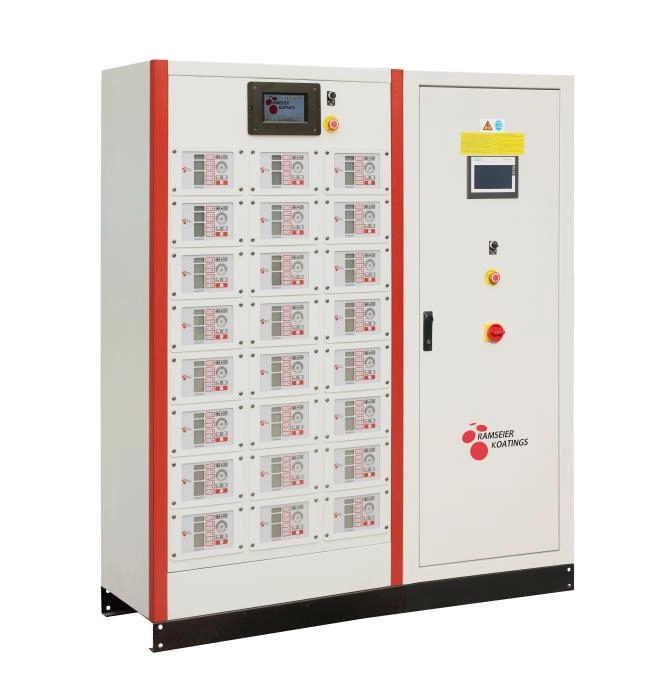
Understanding Smart Control Systems
What is a Smart Control System?
A smart control system is an advanced technological solution designed to automate and optimize various processes in manufacturing and finishing operations. These systems utilize sensors, data analytics, and machine learning algorithms to monitor, control, and improve production workflows. By integrating smart control systems, finishers can achieve greater precision, reduce waste, and enhance product quality.
Importance of Smart Control Systems in Finishing
The finishing process is critical in determining the final appearance and durability of a product. A smart control system can provide real-time feedback and adjustments, ensuring that every aspect of the finishing process meets the required standards. This not only improves the quality of the finished product but also increases efficiency and reduces costs.
Essential Features of Smart Control Systems
When selecting a smart control system, finishers should consider several key features that can enhance their operations. Below are the essential features to look for:
1. Real-Time Monitoring and Control
One of the most critical features of a smart control system is its ability to provide real-time monitoring and control of the finishing process. This includes tracking variables such as temperature, humidity, and pressure, which can significantly affect the quality of the finish. With real-time data, operators can make immediate adjustments to maintain optimal conditions.
2. Data Analytics and Reporting
Data analytics capabilities are essential for understanding trends and identifying areas for improvement. A smart control system should offer robust reporting tools that allow finishers to analyze historical data, track performance metrics, and generate reports. This information can be invaluable for making informed decisions and optimizing processes.
3. User-Friendly Interface
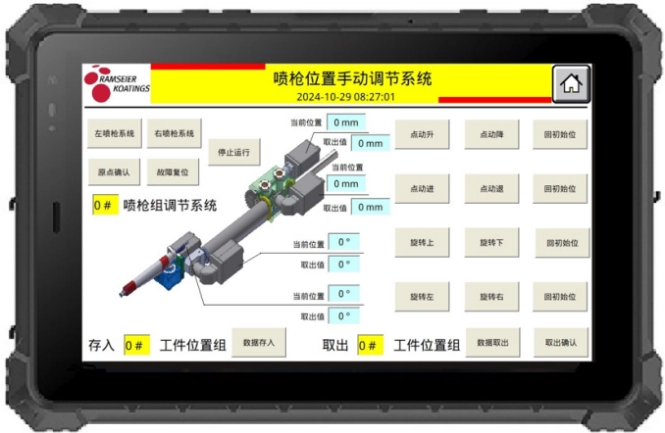
A user-friendly interface is crucial for ensuring that operators can easily navigate the system and access the information they need. Look for systems that offer intuitive dashboards, customizable views, and easy-to-understand controls. A well-designed interface can reduce training time and improve overall efficiency.
4. Integration with Existing Systems
For many finishers, integrating a new smart control system with existing machinery and software is essential. The chosen system should be compatible with current equipment and able to communicate with other systems in use. This integration can streamline operations and enhance data sharing across the production floor.
5. Automation Capabilities
Automation is a key benefit of smart control systems. Look for features that allow for automated adjustments based on real-time data. This can include automatic calibration of equipment, adjustments to finishing parameters, and even predictive maintenance alerts. Automation not only improves efficiency but also reduces the likelihood of human error.
6. Scalability
As businesses grow, their needs may change. A smart control system should be scalable, allowing finishers to expand their operations without needing to replace the entire system. This flexibility can save time and money in the long run.
7. Security Features
With the increasing reliance on digital systems, security is a top concern. Ensure that the smart control system includes robust security features to protect sensitive data and prevent unauthorized access. This may include encryption, user authentication, and regular software updates.
8. Support and Training
Finally, consider the level of support and training offered by the system provider. A good provider will offer comprehensive training for operators and ongoing support to address any issues that may arise. This can be crucial for ensuring that the system is used effectively and that any problems are resolved quickly.
Evaluating Smart Control Systems
Assessing Your Needs
Before selecting a smart control system, finishers should assess their specific needs and requirements. Consider factors such as the size of the operation, the types of products being finished, and the existing technology in use. This assessment will help narrow down the options and identify the features that are most important.
Comparing Different Systems
Once you have a clear understanding of your needs, it's time to compare different smart control systems. Look for systems that offer the essential features discussed above, and consider factors such as cost, ease of use, and customer reviews. It may also be helpful to request demonstrations or trials to see how the system performs in a real-world setting.
Making the Final Decision
After evaluating different options, it's time to make a decision. Choose a smart control system that not only meets your current needs but also has the potential to grow with your business. Remember that investing in a quality system can lead to significant long-term benefits in terms of efficiency, quality, and profitability.
Implementing a Smart Control System
Planning the Implementation
Implementing a new smart control system requires careful planning. Develop a timeline for the installation and training process, and ensure that all stakeholders are informed and involved. This can help minimize disruptions to operations and ensure a smooth transition.
Training Staff
Training is a critical component of successful implementation. Ensure that all operators are adequately trained on how to use the new system, including how to interpret data and make adjustments. Ongoing training sessions can also help keep staff updated on new features and best practices.
Monitoring Performance
After the system is in place, it's essential to monitor its performance closely. Use the data analytics features to track key performance indicators and identify any areas for improvement. Regularly review the system's effectiveness and make adjustments as needed to optimize operations.
Future Trends in Smart Control Systems
Advancements in Technology
The field of smart control systems is continually evolving, with new technologies emerging that can further enhance finishing processes. For example, advancements in artificial intelligence and machine learning are enabling systems to become even more predictive and adaptive. This can lead to greater efficiency and quality in finishing operations.
Increased Connectivity
As the Internet of Things (IoT) continues to grow, smart control systems are becoming more interconnected. This increased connectivity allows for better data sharing and collaboration between different systems and departments. Finishers can leverage this connectivity to gain deeper insights into their operations and make more informed decisions.
Sustainability Considerations
Sustainability is becoming an increasingly important consideration in manufacturing and finishing. Smart control systems can help finishers reduce waste and energy consumption by optimizing processes and providing real-time feedback. As sustainability becomes a priority, look for systems that offer features aimed at minimizing environmental impact.
Conclusion
Choosing the right smart control system is a critical decision for professional finishers. By understanding the essential features and evaluating different options, finishers can select a system that enhances their operations and leads to superior results. As technology continues to advance, staying informed about the latest trends and innovations will be key to maintaining a competitive edge in the finishing industry.
Frequently Asked Questions
1. What is the primary benefit of using a smart control system in finishing?
- The primary benefit is improved efficiency and quality through real-time monitoring and automation of processes.
2. How can data analytics improve finishing operations?
- Data analytics can identify trends, track performance metrics, and provide insights for continuous improvement.
3. What should I consider when integrating a new system with existing equipment?
- Ensure compatibility, ease of integration, and the ability to share data across systems.
4. Why is user training important for a smart control system?
- Proper training ensures that operators can effectively use the system, maximizing its benefits and minimizing errors.
5. What future trends should finishers be aware of regarding smart control systems?
- Key trends include advancements in AI, increased connectivity through IoT, and a focus on sustainability.
Hot Tags: China, Global, OEM, private label, manufacturers, factory, suppliers, manufacturing company





 CALL US ANY TIME









 Tel: +852 2363 2511
 Fax: +852 2764 0105
 E-mail:

 .
. 