Content Menu
● Understanding Smart Control Systems
>> What Are Smart Control Systems?
>> Key Components of Smart Control Systems
● The Impact of Downtime on Businesses
>> Understanding Downtime
>> The Costs of Downtime
● How Smart Control Systems Reduce Downtime
>> Predictive Maintenance
>> Real-Time Monitoring and Alerts
>> Enhanced Decision-Making
>> Automation of Routine Tasks
● Challenges in Implementing Smart Control Systems
>> Initial Investment Costs
>> Complexity of Integration
>> Data Security Concerns
● Future Trends in Smart Control Systems
>> Increased Use of Artificial Intelligence
>> Greater Emphasis on Sustainability
>> Expansion of IoT Connectivity
● Conclusion
>> Frequently Asked Questions
In today's fast-paced industrial landscape, minimizing downtime is crucial for maintaining productivity and profitability. Smart control systems have emerged as a transformative technology that can significantly reduce downtime across various sectors. This article explores how these systems work, their benefits, and the challenges associated with their implementation.
Understanding Smart Control Systems
What Are Smart Control Systems?
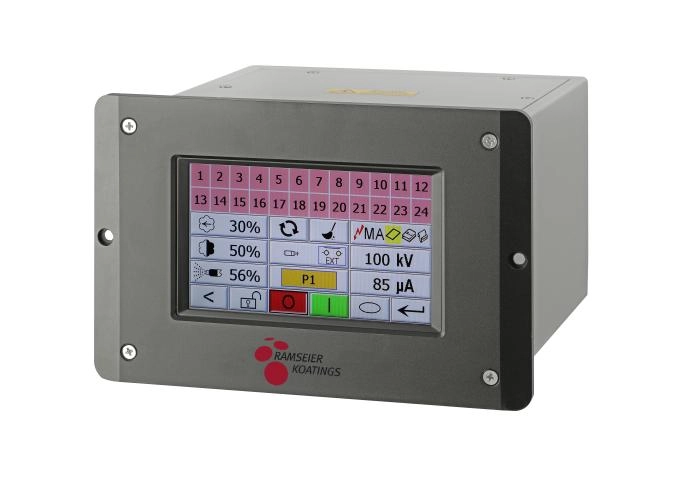
Smart control systems are advanced technological solutions that utilize sensors, data analytics, and automation to monitor and manage industrial processes. These systems can be integrated into manufacturing, energy management, transportation, and other sectors to optimize operations and enhance efficiency.
Key Components of Smart Control Systems
1. Sensors and IoT Devices: These devices collect real-time data from machinery and processes, providing insights into performance and potential issues.
2. Data Analytics: Advanced algorithms analyze the data collected to identify patterns, predict failures, and suggest optimizations.
3. Automation: Smart control systems can automatically adjust processes based on data insights, reducing the need for human intervention and minimizing errors.
The Impact of Downtime on Businesses
Understanding Downtime
Downtime refers to periods when a system or machine is not operational, leading to lost productivity. It can be categorized into planned and unplanned downtime. Planned downtime occurs during scheduled maintenance, while unplanned downtime results from unexpected failures.
The Costs of Downtime
The financial implications of downtime can be staggering. According to industry estimates, unplanned downtime can cost businesses thousands of dollars per hour. Additionally, downtime can lead to missed deadlines, decreased customer satisfaction, and damage to a company's reputation.
How Smart Control Systems Reduce Downtime
Predictive Maintenance
One of the most significant advantages of smart control systems is their ability to facilitate predictive maintenance. By continuously monitoring equipment performance, these systems can predict when a machine is likely to fail. This allows businesses to perform maintenance before a breakdown occurs, significantly reducing unplanned downtime.
Real-Time Monitoring and Alerts
Smart control systems provide real-time monitoring of equipment and processes. This capability enables operators to receive immediate alerts about potential issues, allowing for quick intervention. For instance, if a machine shows signs of overheating, the system can alert maintenance personnel to address the issue before it leads to a failure.
Enhanced Decision-Making
With access to real-time data and analytics, decision-makers can make informed choices about operations. Smart control systems can provide insights into the most efficient ways to allocate resources, schedule maintenance, and optimize production processes. This data-driven approach minimizes the risk of downtime caused by poor decision-making.
Automation of Routine Tasks
Smart control systems can automate routine tasks, reducing the likelihood of human error. For example, automated systems can handle repetitive tasks such as quality checks and inventory management, freeing up human operators to focus on more complex issues. This not only enhances efficiency but also reduces the chances of downtime caused by human mistakes.
Challenges in Implementing Smart Control Systems
Initial Investment Costs
While the long-term benefits of smart control systems are substantial, the initial investment can be a barrier for many businesses. The costs associated with purchasing equipment, installing sensors, and integrating software can be significant. However, companies should consider the potential savings from reduced downtime when evaluating the return on investment.
Complexity of Integration
Integrating smart control systems into existing operations can be complex. Businesses may face challenges in ensuring compatibility with legacy systems and training staff to use new technologies effectively. A well-planned implementation strategy is essential to overcome these hurdles.
Data Security Concerns
As smart control systems rely heavily on data, security is a critical concern. Businesses must implement robust cybersecurity measures to protect sensitive information from breaches. This includes securing data transmission, implementing access controls, and regularly updating software to address vulnerabilities.
Future Trends in Smart Control Systems
Increased Use of Artificial Intelligence
The integration of artificial intelligence (AI) into smart control systems is expected to enhance their capabilities further. AI can improve predictive maintenance algorithms, enabling even more accurate forecasts of equipment failures. Additionally, AI can optimize processes in real-time, adapting to changing conditions and demands.
Greater Emphasis on Sustainability
As industries strive for sustainability, smart control systems will play a crucial role in reducing waste and energy consumption. By optimizing processes and minimizing downtime, these systems can contribute to more sustainable operations, aligning with global efforts to combat climate change.
Expansion of IoT Connectivity
The Internet of Things (IoT) will continue to expand, connecting more devices and systems. This increased connectivity will enhance the capabilities of smart control systems, allowing for more comprehensive data collection and analysis. As a result, businesses will be able to make even more informed decisions to reduce downtime.
Conclusion
Smart control systems represent a significant advancement in technology that can help businesses reduce downtime and enhance operational efficiency. By leveraging predictive maintenance, real-time monitoring, and automation, these systems provide a comprehensive solution to one of the most pressing challenges in modern industry. While there are challenges to implementation, the long-term benefits far outweigh the initial costs. As technology continues to evolve, the potential for smart control systems to transform industries will only grow.

Frequently Asked Questions
1. What is the primary benefit of smart control systems?
- The primary benefit is the reduction of downtime through predictive maintenance, real-time monitoring, and automation.
2. How do smart control systems predict equipment failures?
- They use data analytics to monitor equipment performance and identify patterns that indicate potential failures.
3. What are the challenges of implementing smart control systems?
- Challenges include initial investment costs, integration complexity, and data security concerns.
4. Can smart control systems improve decision-making?
- Yes, they provide real-time data and insights that enable informed decision-making.
5. What future trends are expected in smart control systems?
- Future trends include increased use of AI, greater emphasis on sustainability, and expansion of IoT connectivity.
Hot Tags: China, Global, OEM, private label, manufacturers, factory, suppliers, manufacturing company





 CALL US ANY TIME










 Tel: +852 2363 2511
 Fax: +852 2764 0105
 E-mail:

 .
. 