Content Menu
● Understanding Reciprocators
>> What is a Reciprocator?
>> Importance of Automation in Reciprocators
● Key Features of Smart Control Systems
>> 1. Programmability
>> 2. Real-Time Monitoring
>> 3. Integration with IoT
>> 4. User-Friendly Interfaces
● Top Smart Control Systems for Reciprocator Integration
>> 1. Siemens S7-1200
>> 2. Allen-Bradley ControlLogix
>> 3. Mitsubishi MELSEC iQ-R Series
>> 4. Schneider Electric Modicon M580
>> 5. Omron NJ Series
● Benefits of Smart Control Systems in Reciprocator Automation
>> Enhanced Efficiency
>> Improved Precision
>> Flexibility and Scalability
>> Predictive Maintenance
● Challenges in Implementing Smart Control Systems
>> Initial Investment
>> Integration Complexity
>> Training Requirements
● Future Trends in Reciprocator Automation
>> Artificial Intelligence and Machine Learning
>> Advanced Robotics
>> Sustainability Initiatives
● Conclusion
>> Frequently Asked Questions
In the rapidly evolving landscape of industrial automation, the integration of smart control systems into reciprocator mechanisms has become a pivotal focus for manufacturers seeking efficiency, precision, and adaptability. This article delves into the best smart control systems for reciprocator integration and automation, exploring their features, benefits, and the future of this technology.

Understanding Reciprocators
What is a Reciprocator?
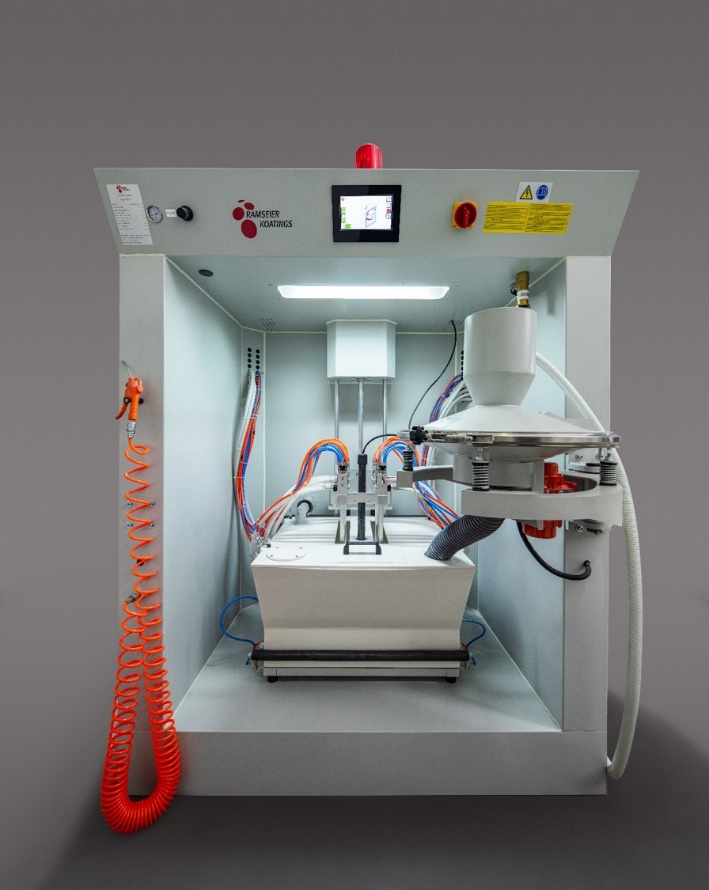
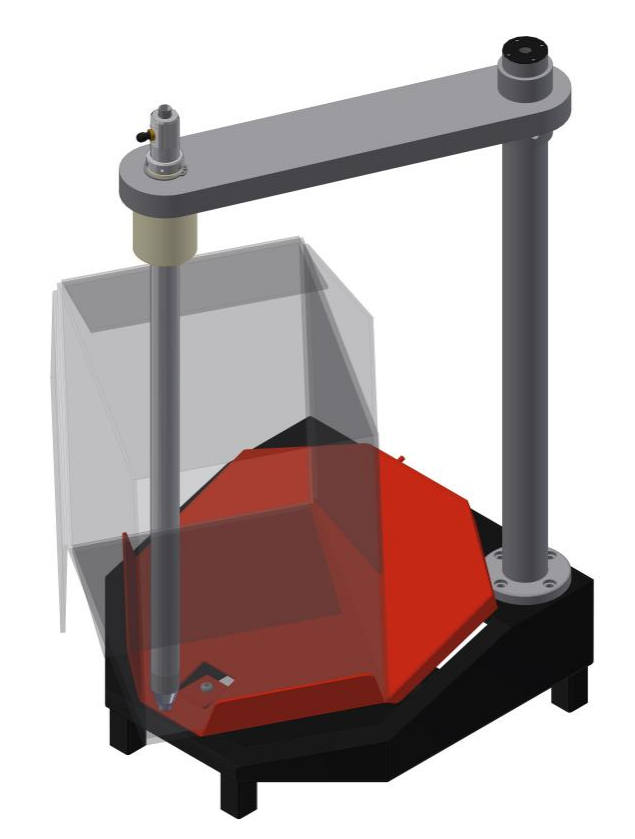
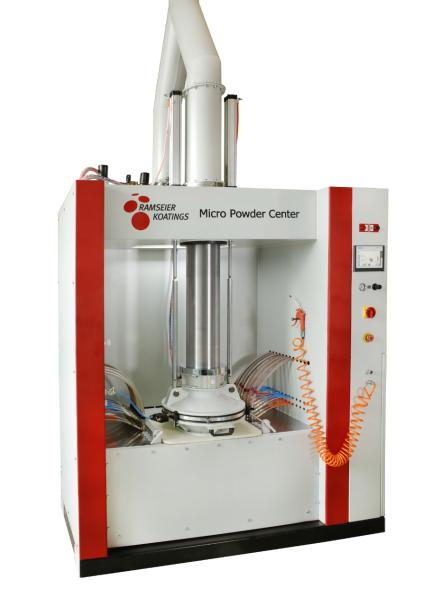
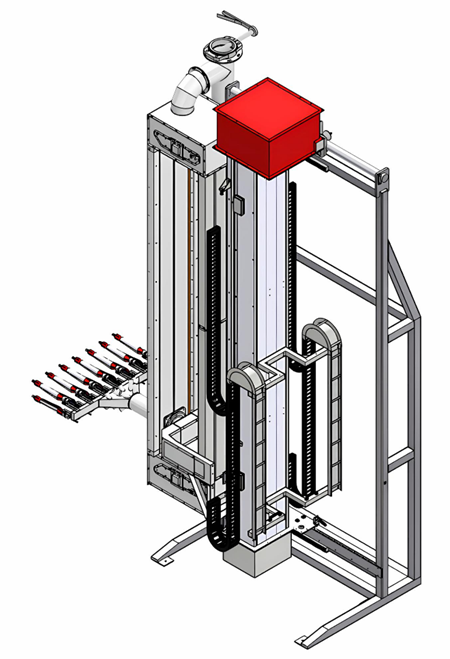
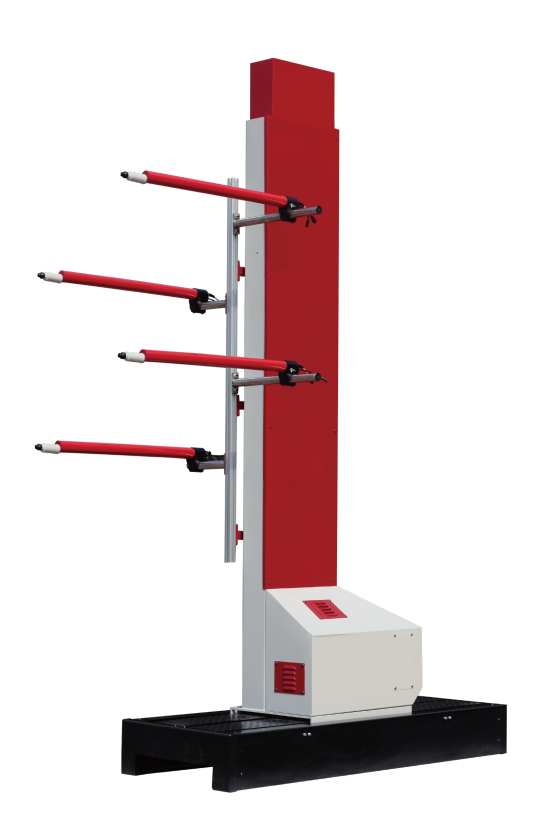
A reciprocator is a mechanical device that converts rotary motion into linear motion. This technology is widely used in various applications, including painting, coating, and assembly processes. Reciprocators are essential in industries where repetitive linear movements are required, providing consistent and precise operations.
Importance of Automation in Reciprocators
Automation enhances the efficiency and accuracy of reciprocators. By integrating smart control systems, manufacturers can achieve higher production rates, reduce labor costs, and minimize human error. Automation also allows for real-time monitoring and adjustments, ensuring optimal performance.
Key Features of Smart Control Systems
1. Programmability
Modern smart control systems offer advanced programmability, allowing users to customize operations according to specific requirements. This feature enables manufacturers to set parameters such as speed, stroke length, and movement patterns, enhancing flexibility in production processes.
2. Real-Time Monitoring
Real-time monitoring capabilities are crucial for maintaining operational efficiency. Smart control systems can track performance metrics, detect anomalies, and provide alerts for maintenance needs. This proactive approach helps prevent downtime and extends the lifespan of equipment.
3. Integration with IoT
The Internet of Things (IoT) has revolutionized industrial automation. Smart control systems can connect with other devices and systems, enabling seamless data exchange and centralized control. This integration facilitates better decision-making and enhances overall system performance.
4. User-Friendly Interfaces
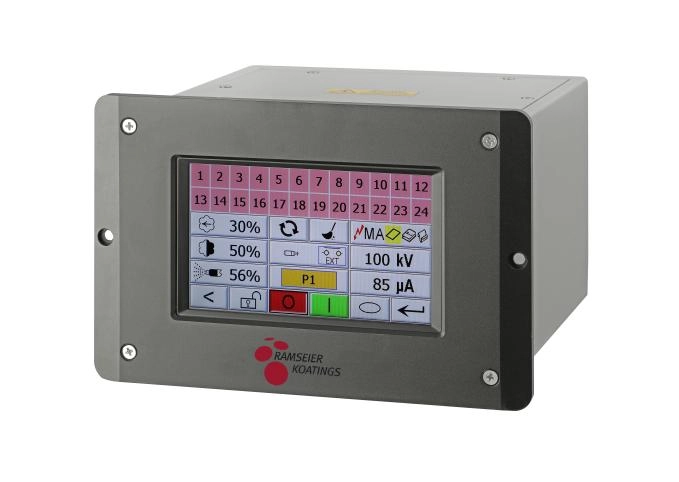
Intuitive user interfaces are essential for effective operation. Many smart control systems feature touchscreens and graphical displays that simplify programming and monitoring tasks. This accessibility allows operators to quickly adapt to changes in production requirements.
Top Smart Control Systems for Reciprocator Integration
1. Siemens S7-1200
The Siemens S7-1200 is a versatile programmable logic controller (PLC) that excels in automation tasks. It offers extensive connectivity options, making it ideal for integrating with various reciprocator systems. The S7-1200 supports advanced programming languages and provides real-time data monitoring, ensuring optimal performance.
2. Allen-Bradley ControlLogix
Allen-Bradley's ControlLogix system is renowned for its scalability and flexibility. This control system can manage complex reciprocator operations, allowing for easy integration with other automation components. Its robust architecture supports high-speed processing and extensive I/O capabilities, making it suitable for demanding applications.
3. Mitsubishi MELSEC iQ-R Series
The MELSEC iQ-R Series from Mitsubishi is designed for high-performance automation. It features advanced motion control capabilities, making it an excellent choice for reciprocator applications. The system supports various communication protocols, ensuring compatibility with existing equipment and facilitating easy integration.
4. Schneider Electric Modicon M580
The Modicon M580 is a powerful PLC that offers advanced cybersecurity features, making it a secure choice for industrial automation. Its modular design allows for easy expansion and customization, while its integrated motion control capabilities enhance reciprocator performance.
5. Omron NJ Series
Omron's NJ Series is known for its high-speed processing and advanced motion control features. This system is particularly effective for applications requiring precise synchronization of multiple reciprocators. Its user-friendly programming environment simplifies the setup and operation of complex automation tasks.
Benefits of Smart Control Systems in Reciprocator Automation
Enhanced Efficiency
Smart control systems significantly improve the efficiency of reciprocator operations. By automating repetitive tasks, manufacturers can achieve higher throughput and reduce cycle times. This efficiency translates into cost savings and increased profitability.
Improved Precision
Precision is critical in applications involving reciprocators. Smart control systems enable fine-tuning of movement parameters, ensuring that each operation is executed with high accuracy. This precision is essential in industries such as automotive and aerospace, where even minor deviations can lead to significant issues.
Flexibility and Scalability
The adaptability of smart control systems allows manufacturers to respond quickly to changing production demands. As market needs evolve, these systems can be reprogrammed or expanded to accommodate new processes or products, ensuring long-term viability.
Predictive Maintenance
With real-time monitoring and data analytics, smart control systems can predict maintenance needs before failures occur. This predictive maintenance approach minimizes downtime and extends the lifespan of reciprocator systems, leading to lower operational costs.
Challenges in Implementing Smart Control Systems
Initial Investment
The upfront cost of implementing smart control systems can be significant. However, the long-term benefits often outweigh these initial expenses. Manufacturers must carefully evaluate their return on investment (ROI) when considering automation solutions.
Integration Complexity
Integrating new smart control systems with existing equipment can be complex. Manufacturers may face challenges in ensuring compatibility and seamless communication between different systems. Proper planning and expert consultation are essential to overcome these hurdles.
Training Requirements
Operators may require training to effectively use new smart control systems. Investing in training programs is crucial to ensure that staff can maximize the benefits of automation and operate the systems safely and efficiently.
Future Trends in Reciprocator Automation
Artificial Intelligence and Machine Learning
The integration of artificial intelligence (AI) and machine learning (ML) into smart control systems is set to revolutionize reciprocator automation. These technologies can enable self-optimizing systems that learn from operational data, improving efficiency and reducing errors over time.
Advanced Robotics
The future of reciprocator systems will likely see increased collaboration with advanced robotics. Robotic arms equipped with smart control systems can perform complex tasks alongside reciprocators, enhancing overall productivity and flexibility in manufacturing environments.
Sustainability Initiatives
As industries move towards more sustainable practices, smart control systems will play a crucial role in optimizing energy consumption and reducing waste. Manufacturers will increasingly seek solutions that not only enhance productivity but also align with environmental goals.
Conclusion
The integration of smart control systems into reciprocator automation represents a significant advancement in industrial manufacturing. By enhancing efficiency, precision, and flexibility, these systems are transforming how manufacturers operate. As technology continues to evolve, the future of reciprocator integration and automation looks promising, with innovations in AI, robotics, and sustainability paving the way for even greater advancements.
Frequently Asked Questions
1. What is a reciprocator?
A reciprocator is a mechanical device that converts rotary motion into linear motion, commonly used in applications requiring repetitive linear movements.
2. How do smart control systems improve efficiency?
Smart control systems automate repetitive tasks, allowing for higher throughput and reduced cycle times, leading to cost savings and increased profitability.
3. What are the benefits of real-time monitoring in automation?
Real-time monitoring allows for tracking performance metrics, detecting anomalies, and providing alerts for maintenance needs, which helps prevent downtime.
4. What challenges might manufacturers face when implementing smart control systems?
Manufacturers may encounter initial investment costs, integration complexity with existing equipment, and the need for operator training.
5. What future trends are expected in reciprocator automation?
Future trends include the integration of AI and machine learning, collaboration with advanced robotics, and a focus on sustainability initiatives.
Hot Tags: China, Global, OEM, private label, manufacturers, factory, suppliers, manufacturing company





 CALL US ANY TIME









 Tel: +852 2363 2511
 Fax: +852 2764 0105
 E-mail:

 .
. 