Content Menu
● Understanding Spray Gun Units
>> Types of Spray Guns
>> Components of a Spray Gun Unit
● What are Control Systems in Spray Applications?
>> Types of Control Systems
>> Functions of Control Systems
● The Importance of Integration: Spray Gun Units with Control Systems
>> Why Integration Matters
>> Integration Challenges
● How Integration Transforms the Spray Process
>> Automation and Precision
>> Consistency and Repeatability
>> Waste Reduction and Cost Savings
● Key Benefits of Integrated Spray Gun Units and Control Systems
>> Better Product Quality
>> Increased Productivity
>> Enhanced Safety
>> Flexibility
>> Maintenance and Diagnostics
● Applications of Integrated Spray Gun and Control Systems
>> Automotive Industry
>> Electronics Manufacturing
>> Furniture Production
>> Aerospace
● Future Trends in Integration
>> Smart Technologies and IoT
>> AI and Machine Learning
>> Sustainable Solutions
● FAQ
In modern industrial, automotive, and manufacturing environments, spray gun units paired with advanced control systems are essential for achieving high-quality finishes, efficiency, and consistency. The integration of spray gun units with sophisticated control systems is not only a technological advancement but a strategic necessity to enhance operational performance, reduce waste, and maintain product standards. This article explores why the integration of these two components is critical, how it transforms the spraying process, and what benefits industries derive from this synergy.
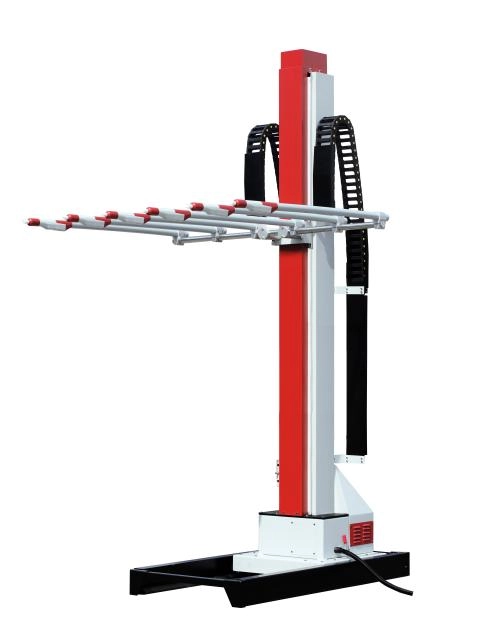
Understanding Spray Gun Units
Spray gun units are mechanical devices used to apply liquids such as paint, coatings, varnish, or adhesives in a fine spray. They are fundamental tools in sectors requiring surface finishing, from automotive paint shops to electronics manufacturing and furniture finishing.
Types of Spray Guns
- Air Spray Guns: Use compressed air to atomize and propel the coating.
- Airless Spray Guns: Rely on hydraulic pumps to force paint at high pressure.
- Electrostatic Spray Guns: Charge particles electrically for better surface coverage.
- HVLP (High Volume Low Pressure) Guns: Provide fine atomization with reduced overspray and waste.
Each type serves different purposes depending on the material, finish quality required, and environmental considerations.
Components of a Spray Gun Unit
Typical spray gun units consist of:
- Nozzle
- Air cap
- Fluid needle
- Trigger
- Fluid inlet
- Control valves
The precision control of these components impacts the quality and uniformity of the sprayed coating.
What are Control Systems in Spray Applications?
Control systems in the context of spray guns refer to the electronic, pneumatic, or hydraulic mechanisms that govern the operation of spray units. They adjust parameters like fluid flow, spray pattern, pressure, and timing to ensure optimal application.
Types of Control Systems
- Manual Control: Operators adjust settings by hand.
- Semi-Automatic Control: Some functions are automated while others require human intervention.
- Fully Automated Control: Enabled by programmable logic controllers (PLC), sensors, and computer interfaces to manage spray tasks with minimal human input.
Functions of Control Systems
Control systems help:
- Regulate spray pressure and fluid delivery rate.
- Synchronize spray timing with assembly lines.
- Ensure repeatability in coating thickness.
- Monitor and adjust environmental conditions like temperature and humidity affecting spray quality.
The Importance of Integration: Spray Gun Units with Control Systems
The integration of spray gun units with their control systems brings enhanced precision, consistency, and efficiency to spraying operations.
Why Integration Matters
- Improved Accuracy: Integrated systems enable precise control over fluid volume and pressure, minimizing defects.
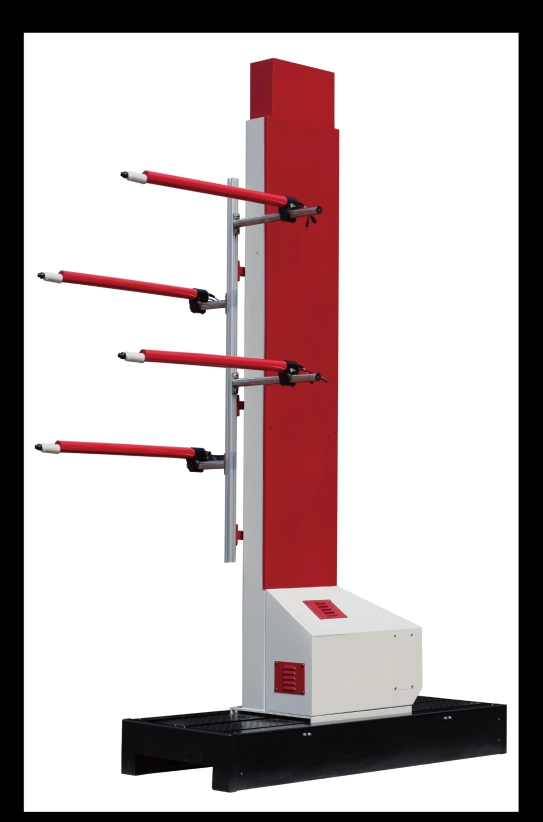
- Enhanced Automation: Integration allows coupling spray guns with robotics and conveyors for seamless production workflows.
- Real-time Adjustments: Sensors and feedback loops within control systems immediately correct deviations.
- Resource Optimization: Integrated controls reduce overspray and paint wastage while maintaining quality.
- Data Collection and Analytics: Integrated systems can log performance data for analysis, quality assurance, and predictive maintenance.
Integration Challenges
- Compatibility between hardware and software.
- Calibration of control parameters for specific spray guns and materials.
- Training personnel to operate and maintain complex integrated systems.
- Initial investment costs and system scalability.
How Integration Transforms the Spray Process
Proper integration changes spray gun units from manual tools into intelligent, adaptable components of automated production lines.
Automation and Precision
Robotics equipped with integrated spray guns can adjust spray patterns dynamically to complex geometries, reducing human error. The systems automatically regulate pressure and fluid volume to ensure uniform coating thickness on every part.
Consistency and Repeatability
Automated feedback mechanisms correct any spray deviations in real time. This leads to consistent finishes across batches, which is critical when meeting stringent quality requirements in automotive or aerospace industries.
Waste Reduction and Cost Savings
Integrated control systems optimize the amount of spray material used, cutting down on overspray and subsequent cleanup costs. This has both economic and environmental benefits.
Key Benefits of Integrated Spray Gun Units and Control Systems
Better Product Quality
With precise control over spray parameters, manufacturers can achieve smoother, more even coatings, reducing defects and reworks.
Increased Productivity
Automation frees operators from manual adjustments enabling faster cycle times and higher throughput.
Enhanced Safety
Automated systems reduce human exposure to potentially harmful chemicals and fumes.
Flexibility
Integrated systems can switch between different spray parameters quickly, facilitating multi-product manufacturing lines.
Maintenance and Diagnostics
Continuous monitoring enables predictive maintenance, avoiding unplanned downtime and costly repairs.
Applications of Integrated Spray Gun and Control Systems
Automotive Industry
Spray booths use integrated systems for consistent paint application on car bodies, enhancing durability and aesthetic appeal.
Electronics Manufacturing
Precision coating of circuit boards requires micron-level accuracy achievable through integrated spray setups.
Furniture Production
Integrated systems ensure even varnish and stain applications protecting wood surfaces while maintaining visual quality.
Aerospace
Highly controlled coatings improve corrosion resistance and aerodynamic properties under strict regulatory standards.
Future Trends in Integration
Smart Technologies and IoT
The next evolution includes IoT-enabled spray systems that communicate with factory-wide networks for real-time process optimization and inventory management.
AI and Machine Learning
AI algorithms will analyze spray parameters and outcomes to optimize settings autonomously for changing production requirements.
Sustainable Solutions
Integration will drive greener spray technologies that minimize environmental impact while maintaining high performance.
FAQ
Q1: What is the main advantage of integrating spray guns with control systems?
A1: The main advantage is enhanced precision and consistency in coating applications, which improves product quality and reduces material waste.
Q2: Can existing manual spray guns be upgraded to integrated control systems?
A2: Yes, many spray gun units can be retrofitted with control modules and sensors to enable partial or full automation.
Q3: How does integration impact the cost of spray operations?
A3: Although initial investment may be higher, integration reduces ongoing material wastage, labor costs, and rework, resulting in long-term savings.
Q4: Are integrated spray systems suitable for small-scale operations?
A4: Yes, scalable control systems allow small-scale businesses to benefit from improved accuracy and efficiency without excessive costs.
Q5: What role does automation play in integrated spray systems?
A5: Automation minimizes human error, ensures repeatability, and speeds up processes, which is essential in high-volume manufacturing.
Hot Tags: China, Global, OEM, private label, manufacturers, factory, suppliers, manufacturing company





 CALL US ANY TIME









 Tel: +852 2363 2511
 Fax: +852 2764 0105
 E-mail:

 .
. 