Content Menu
● What is a Reciprocator?
>> How Reciprocators Work
● Types of Reciprocators
>> 1. Vertical Reciprocators
>> 2. Horizontal Reciprocators
>> 3. Multi-Axis Reciprocators
● Benefits of Using Reciprocators
>> 1. Increased Efficiency
>> 2. Consistent Coating Quality
>> 3. Reduced Powder Waste
>> 4. Improved Safety
● Key Features to Consider
>> 1. Control System
>> 2. Speed and Stroke Length
>> 3. Compatibility with Coating Guns
>> 4. Durability and Maintenance
● Maintenance of Reciprocators
>> 1. Regular Lubrication
>> 2. Inspection of Mechanical Parts
>> 3. Calibration of Controls
>> 4. Cleaning
● Conclusion
>> Frequently Asked Questions
Electrostatic powder coating is a widely used finishing process that provides a durable and attractive finish to various metal products. One of the key components in this process is the reciprocator, a device that automates the movement of powder coating guns. This article will explore the function, types, benefits, and maintenance of reciprocators in electrostatic powder coating, providing a comprehensive understanding of their role in modern manufacturing.
What is a Reciprocator?
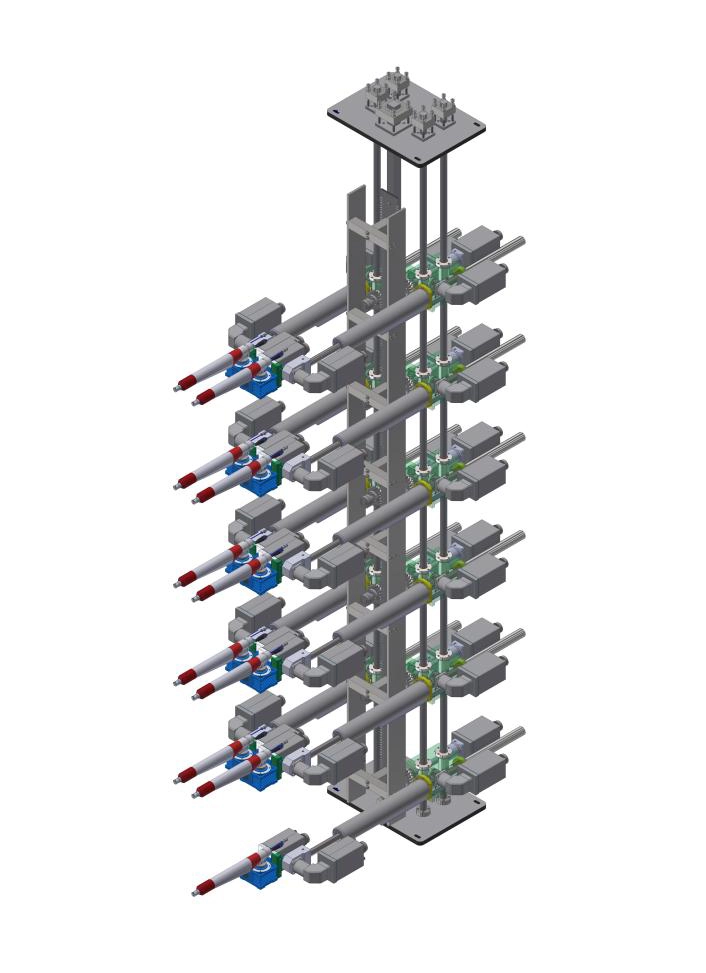
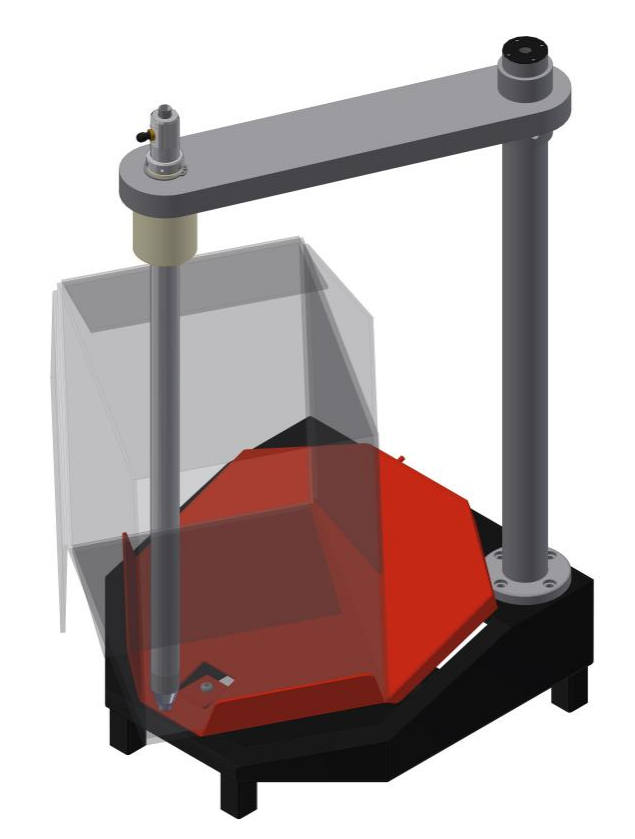
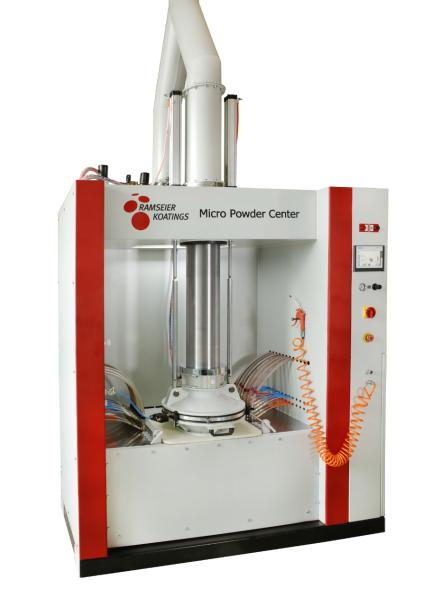
A reciprocator is an automated mechanical device designed to move powder coating guns in a controlled back-and-forth motion over the surface of parts being coated. This movement ensures a uniform and consistent application of powder coating across the entire surface of the workpiece. Reciprocators are particularly critical in high-volume production environments such as automotive, aerospace, and appliance manufacturing, where precision and repeatability are essential.
How Reciprocators Work
Reciprocators operate by using a motorized system that controls the speed and distance of the gun's movement. The guns spray charged powder particles onto the grounded workpiece, creating a strong bond due to electrostatic attraction. The reciprocator's movement allows for even coverage, reducing the risk of overspray and ensuring that all areas of the part receive the appropriate amount of coating.
Types of Reciprocators
Reciprocators can be categorized based on their design and functionality. The main types include:
1. Vertical Reciprocators
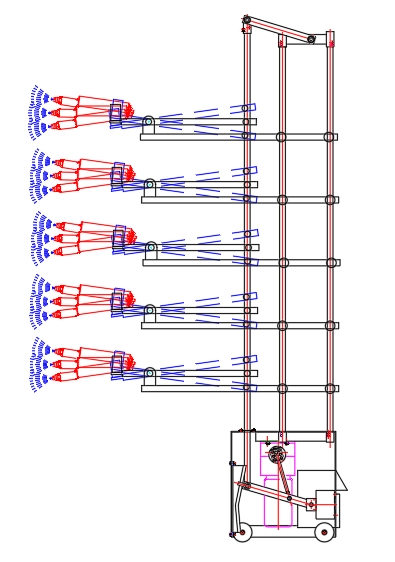
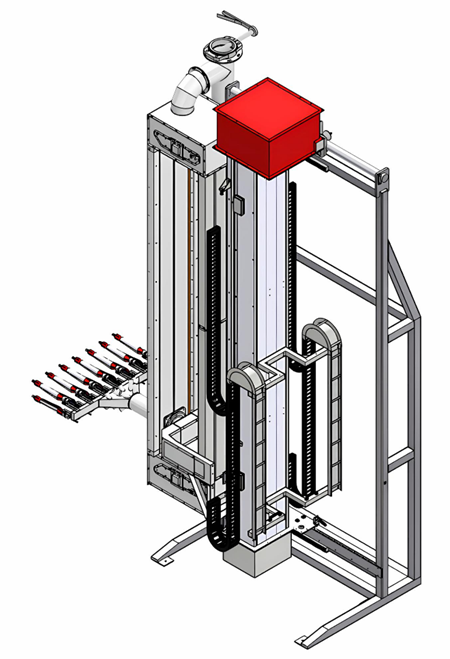
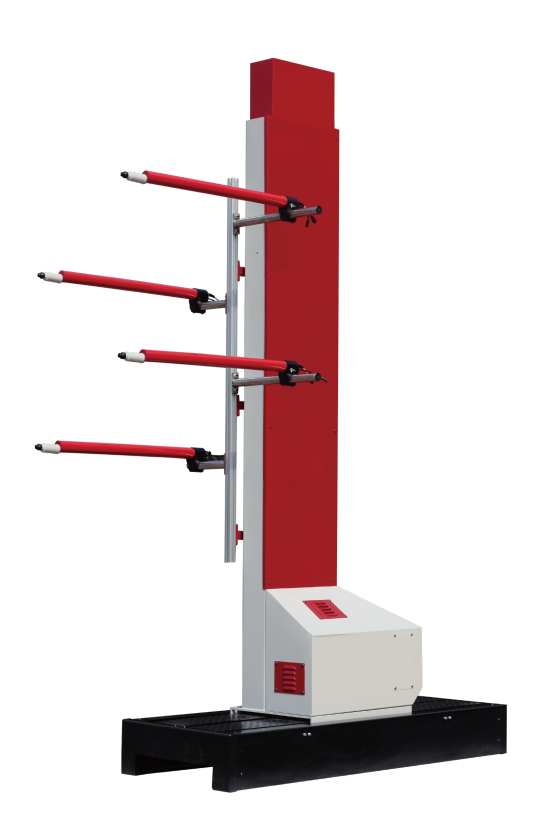
Vertical reciprocators move the spray guns in an up-and-down motion. They are ideal for coating tall or irregularly shaped objects, as they can adjust the height of the spray guns to ensure complete coverage.
2. Horizontal Reciprocators
These reciprocators move the spray guns horizontally across the workpiece. They are commonly used for flat surfaces and are effective in applications where the parts are conveyed through the coating area.
3. Multi-Axis Reciprocators
Multi-axis reciprocators can move in multiple directions, allowing for complex coating patterns. They are equipped with advanced control systems that enable precise movements, making them suitable for intricate parts and designs.
Benefits of Using Reciprocators
Incorporating reciprocators into the electrostatic powder coating process offers several advantages:
1. Increased Efficiency
Automating the movement of spray guns significantly speeds up the coating process. Reciprocators can operate continuously, reducing the time required for manual coating and increasing overall productivity.
2. Consistent Coating Quality
Reciprocators ensure uniform application of powder, which leads to consistent coating thickness across all parts. This uniformity is crucial for achieving high-quality finishes and meeting industry standards.
3. Reduced Powder Waste
By controlling the spray pattern and minimizing overspray, reciprocators help reduce powder waste. This not only lowers material costs but also contributes to a more environmentally friendly operation.
4. Improved Safety
Automating the coating process reduces the need for manual labor in potentially hazardous environments. This enhances worker safety by minimizing exposure to chemicals and reducing the risk of accidents.
Key Features to Consider
When selecting a reciprocator for electrostatic powder coating, several features should be considered:
1. Control System
Modern reciprocators come equipped with advanced control systems that allow for precise adjustments in speed, stroke length, and movement patterns. Look for systems that offer user-friendly interfaces and programmable settings.
2. Speed and Stroke Length
The speed at which the reciprocator operates and the length of its stroke are critical factors that influence coating efficiency. Choose a model that can accommodate the specific requirements of your production line.
3. Compatibility with Coating Guns
Ensure that the reciprocator is compatible with the powder coating guns you plan to use. Most reciprocators are designed to work with standard electrostatic guns, but it's essential to verify compatibility with the manufacturer.
4. Durability and Maintenance
Select a reciprocator made from high-quality materials that can withstand the rigors of a production environment. Regular maintenance is crucial for optimal performance, so consider models that are easy to service and maintain.
Maintenance of Reciprocators
To ensure the longevity and efficiency of reciprocators, regular maintenance is essential. Here are some key maintenance practices:
1. Regular Lubrication
Lubricate moving parts according to the manufacturer's recommendations to prevent wear and tear. Proper lubrication reduces friction and extends the life of the reciprocator.
2. Inspection of Mechanical Parts
Conduct routine inspections of mechanical components, such as belts, gears, and motors, to identify any signs of wear or damage. Early detection of issues can prevent costly repairs and downtime.
3. Calibration of Controls
Regularly calibrate the control systems to ensure accurate movement and spray patterns. This helps maintain consistent coating quality and prevents deviations in production.
4. Cleaning
Keep the reciprocator clean to prevent powder buildup, which can affect performance. Regular cleaning of the spray guns and surrounding areas is also essential to maintain a safe working environment.
Conclusion
Reciprocators play a vital role in the electrostatic powder coating process, enhancing efficiency, consistency, and safety. By automating the movement of spray guns, these devices help manufacturers achieve high-quality finishes while reducing waste and labor costs. Understanding the different types of reciprocators, their benefits, and maintenance requirements is crucial for any business looking to optimize its powder coating operations.
Frequently Asked Questions
1. What is the primary function of a reciprocator in powder coating?
The primary function of a reciprocator is to automate the movement of powder coating guns, ensuring uniform application of powder across the surface of the workpiece.
2. How do reciprocators improve coating efficiency?
Reciprocators increase efficiency by automating the coating process, allowing for continuous operation and reducing the time required for manual application.
3. Are there different types of reciprocators?
Yes, reciprocators can be categorized into vertical, horizontal, and multi-axis types, each designed for specific coating applications.
4. What maintenance is required for reciprocators?
Regular maintenance includes lubrication, inspection of mechanical parts, calibration of controls, and cleaning to ensure optimal performance.
5. Can reciprocators be used with all types of powder coating guns?
Most reciprocators are compatible with standard electrostatic powder coating guns, but it's essential to confirm compatibility with the manufacturer.
Hot Tags: China, Global, OEM, private label, manufacturers, factory, suppliers, manufacturing company





 CALL US ANY TIME









 Tel: +852 2363 2511
 Fax: +852 2764 0105
 E-mail:

 .
. 