Content Menu
● Understanding Electrostatic Spray Guns
● Why the Nozzle Matters
>> Material Viscosity and Nozzle Size
>> Spray Pattern and Application Surface
>> Air Cap Compatibility
>> Flow Rate Requirements
>> Durability and Material Compatibility
>> 1. Identify Your Coating Material
>> 2. Determine the Spray Pattern Needed
>> 3. Calculate Required Flow Rate
>> 4. Check Air Cap Compatibility
>> 5. Test and Adjust
● Common Nozzle Sizes and Their Uses
● Tips for Maintaining Nozzle Performance
● Summary
>> 1. How do I know what nozzle size to use for my coating?
>> 2. What spray pattern should I choose for curved surfaces?
>> 3. Can I use the same nozzle for primers and clear coats?
>> 4. How often should I replace my spray nozzle?
>> 5. Does the spray gun's air cap affect nozzle choice?
Selecting the right nozzle for your automatic electrostatic spray gun is essential to achieve optimal coating quality, minimize material waste, and ensure efficient operation. This article will guide you through key factors influencing nozzle selection, including spray pattern, material viscosity, nozzle size, and application requirements. By the end, you'll be equipped to make an informed choice suitable for your specific spraying needs.
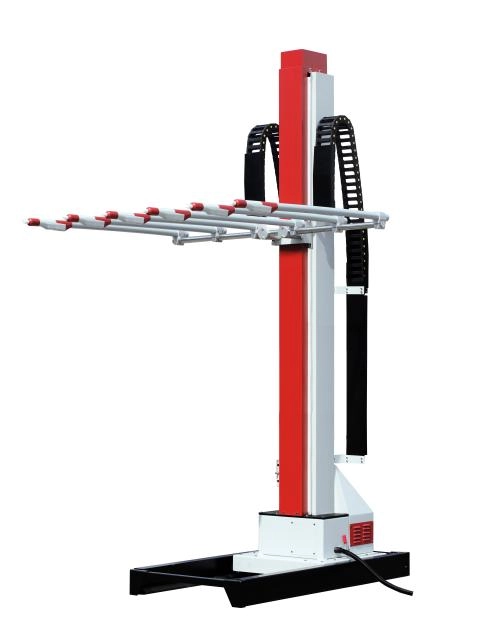
Understanding Electrostatic Spray Guns
Electrostatic spray guns use electrically charged particles to improve material transfer efficiency onto a grounded target. They are widely used in industries such as automotive, appliance, and metal finishing due to their enhanced coverage and reduced overspray. The performance of the spray gun depends heavily on the nozzle, which controls the shape, size, and velocity of the spray.
Why the Nozzle Matters
The nozzle is not only responsible for shaping the spray pattern but also affects atomization quality and material flow rate. Choosing an inappropriate nozzle size or pattern can lead to poor finish, material waste, or operational issues like clogging. Hence, it is vital to understand how nozzle characteristics align with your coating material and application goals.## Key Factors in Choosing the Right Nozzle
Material Viscosity and Nozzle Size
One of the primary considerations is the viscosity of your coating material. Higher viscosity materials, such as primers or thick paints, require larger nozzle sizes to allow proper atomization and flow. Conversely, low-viscosity materials like base coats and clear coats work best with smaller nozzles to achieve a fine, even spray. Selecting a nozzle that is too small with a thick material may choke the flow and lead to inadequate coverage, while too large a nozzle wastes material due to insufficient atomization.
Spray Pattern and Application Surface
Nozzles come in different spray patterns — flat fan, round, hollow cone, and more. The choice depends largely on the shape and size of the surface you are coating. For wide, flat surfaces, a flat fan pattern covers more area quickly and evenly. For curved or complex shapes, a round or hollow cone pattern provides better coverage by wrapping around contours. The fan width should also match the surface size to reduce overspray and increase precision.
Air Cap Compatibility
The nozzle works in tandem with the air cap to shape the spray. The air cap controls air flow and fan shape, which influences droplet size and distribution. Certain air caps only operate optimally with specific nozzle sizes or types, so verify your spray gun manufacturer's recommendations to ensure compatibility.
Flow Rate Requirements
Your desired application rate, often measured in cubic centimeters or gallons per minute, dictates the flow rate your nozzle must support. A correctly sized nozzle maintains the flow rate necessary for uniform coating while controlling overspray and minimizing waste. Consider your spray gun's maximum operating pressure to match flow capabilities without compromising spray quality.
Durability and Material Compatibility
Nozzle materials vary in durability based on the coatings applied. For example, stainless steel or carbide nozzles withstand abrasive materials better and last longer. Choosing a nozzle made from appropriate materials ensures consistent performance and reduces replacement frequency.## Step-by-Step Guide to Selecting Your Nozzle
1. Identify Your Coating Material
Start by evaluating the viscosity and type of the paint or coating. Is it a primer, base coat, clear coat, adhesive, or a special chemical? This will dictate the nozzle size range and material best suited.
2. Determine the Spray Pattern Needed
Consider the shape and size of the object. For large, flat panels, a wide flat fan is ideal. For irregular or small parts, a round or hollow cone pattern may yield better coverage.
3. Calculate Required Flow Rate
Determine the volume of coating needed per minute based on application specifications. This helps narrow down the nozzle size options that can handle the volume at the operating pressure.
4. Check Air Cap Compatibility
Verify which air caps are compatible with the nozzle sizes you've shortlisted. Remember, the air cap determines the spray shape and droplet properties.
5. Test and Adjust
Whenever possible, conduct a test spray with the selected nozzle and coating material. Observe atomization, coverage, overspray, and finish quality. Adjust nozzle size or spray parameters as needed.
Common Nozzle Sizes and Their Uses
- 0.8 mm – 1.0 mm: Fine finishes, clear coats, stains; optimal for low viscosity paints.
- 1.2 mm – 1.4 mm: General-purpose spray nozzles, base coats, lacquers.
- 1.6 mm – 1.8 mm: Primers and thicker coatings requiring higher material flow.
- 2.2 mm and above: Heavy resins, gel coats, and high-viscosity materials.
Tips for Maintaining Nozzle Performance
- Regularly clean nozzles to prevent clogging and maintain atomization quality.
- Replace worn nozzles promptly, as wear increases flow rate and reduces spray quality.
- Use high-quality coatings to minimize abrasive wear.
Summary
Choosing the right nozzle for your automatic electrostatic spray gun involves balancing material characteristics, spray patterns, flow rates, air cap compatibility, and durability considerations. By understanding these factors and conducting proper tests, you can ensure a high-quality finish, reduce material waste, and optimize spraying efficiency.## Frequently Asked Questions
1. How do I know what nozzle size to use for my coating?
Consider the viscosity of your coating; higher viscosities need larger nozzles. Refer to manufacturer guidelines or perform test sprays to find the optimum size.
2. What spray pattern should I choose for curved surfaces?
A round or hollow cone spray pattern generally provides better coverage on curved or complex shapes.
3. Can I use the same nozzle for primers and clear coats?
It's best to use larger nozzles for primers due to their higher viscosity and smaller nozzles for clear coats to achieve a fine finish.
4. How often should I replace my spray nozzle?
Nozzle replacement frequency depends on coating abrasiveness and usage, but inspecting regularly and replacing when atomization quality degrades is recommended.
5. Does the spray gun's air cap affect nozzle choice?
Yes, the air cap controls the fan shape and droplet size and must be compatible with your selected nozzle size for optimal performance.
[1](https://www.cetinc.com/how-do-i-choose-a-nozzle-size/)
[2](https://www.sames.com/usa/en/faq-which-nozzle-spray-gun-.html)
[3](https://ohioline.osu.edu/factsheet/fabe-528)
[4](https://www.youtube.com/watch?v=s0hRUFOuboI)
[5](https://www.durr.com/fileadmin/durr.com/09_MISC/19_Digital_Press_Kit/duerr-spraygunselectionguide.pdf)
[6](https://maxi-miser.com/choosing-the-right-nozzle-size-for-your-auto-paint-sprayer/)
[7](https://www.spray.com/blog/how-to-choose-the-perfect-spray-nozzle)
[8](https://www.precisionplanting.com/resources/articles/choosing-the-right-nozzles-for-your-sprayer)
[9](https://www.graco.com/us/en/in-plant-manufacturing/product/la1m10.html)
[10](https://pittsburghsprayequip.com/blogs/pittsburgh-spray-equipment-company/selecting-the-right-fluid-nozzle-for-your-spray-gun)
Hot Tags: China, Global, OEM, private label, manufacturers, factory, suppliers, manufacturing company





 CALL US ANY TIME









 Tel: +852 2363 2511
 Fax: +852 2764 0105
 E-mail:

 .
. 